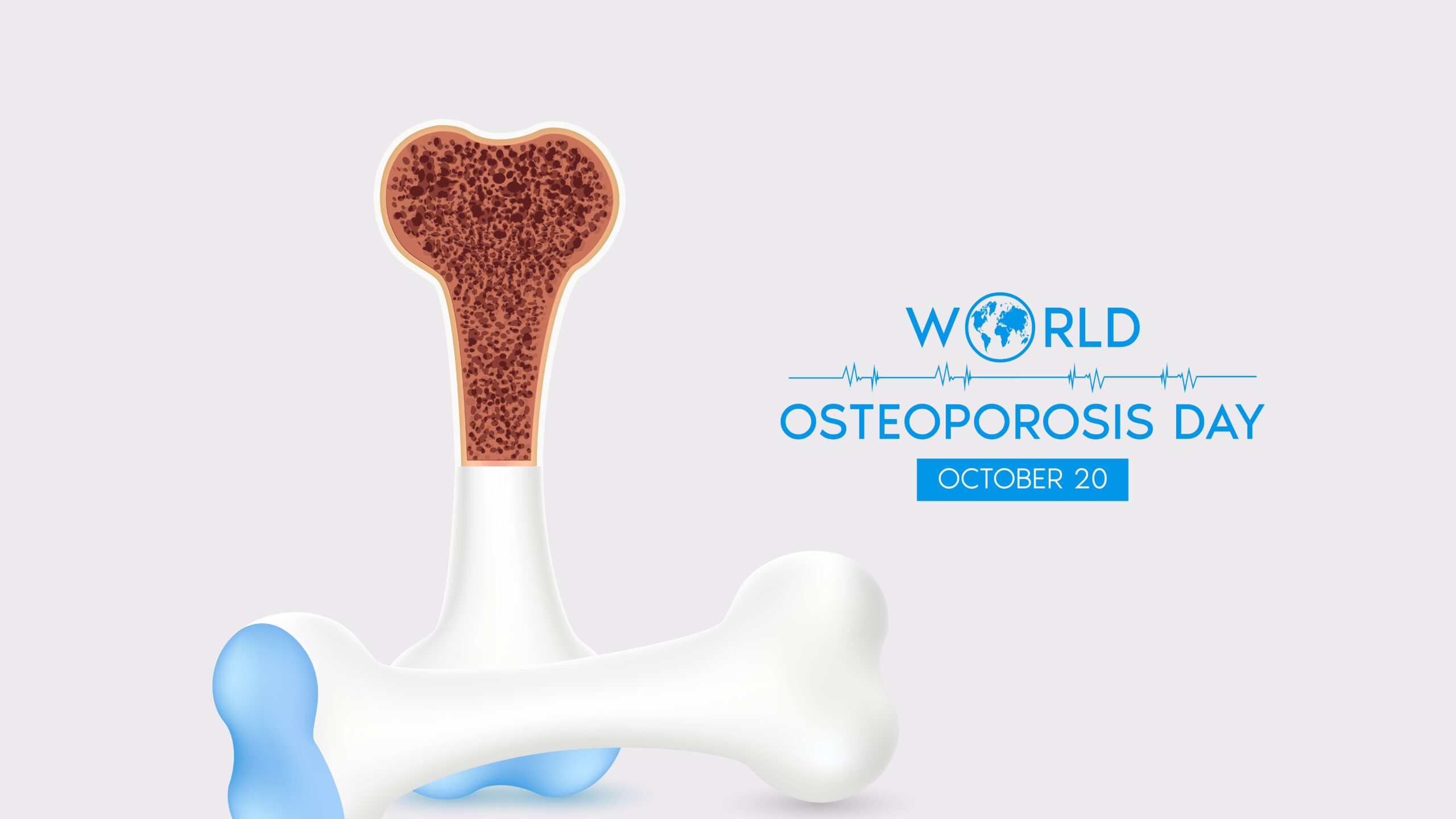
Osteoporosis, often referred to as the “silent disease,” is a condition that weakens bones, making them fragile and more prone to fractures. It’s a widespread health concern, especially among the ageing population. However, the good news is that osteoporosis can be prevented and managed effectively. We’ll explore the causes and symptoms of osteoporosis, dispel common myths, provide facts, and offer practical tips for management and prevention.
Causes
Age: As we grow older, our bones naturally become less dense and more susceptible to osteoporosis.
Hormonal Changes: A drop in estrogen in women during menopause and a decrease in testosterone in men can contribute to bone loss.
Nutritional Deficiencies: Inadequate calcium and vitamin D intake can weaken bones.
Family History: A family history of osteoporosis increases the risk.
Sedentary Lifestyle: Lack of weight-bearing exercise can lead to bone loss.
Certain Medications and Medical Conditions: Steroids and certain medical conditions, like celiac disease, can affect bone health.
Symptoms
Osteoporosis is often called the “silent disease” because it doesn’t typically present noticeable symptoms until a fracture occurs. This is why it’s essential to understand the risk factors, especially if you are at higher risk due to age, gender, or family history. However, when symptoms do manifest, they can include:
Back Pain: One of the most common and early signs of osteoporosis is back pain. The pain is often the result of fractures or tiny cracks (known as vertebral compression fractures) in the weakened vertebrae of the spine. These fractures can lead to a stooped posture and loss of height.
Bone Fractures: Osteoporosis significantly increases the risk of fractures, particularly in weight-bearing bones. Common fracture sites include the hip, wrist, and spine. Hip fractures are particularly serious, as they can lead to immobility and complications.
Loss of Height: Osteoporosis can cause a noticeable reduction in height. This loss of height is typically due to compression fractures in the spine, leading to a stooped or hunched posture.
Reduced Grip Strength: Osteoporosis can affect the bones in the wrist and forearm, leading to reduced grip strength and an increased risk of fractures in the wrist.
Sudden Fractures from Minor Trauma: Osteoporotic bones are more fragile and can fracture with minor trauma that wouldn’t normally cause a fracture in healthy bones. For example, a fall from standing height might result in a fracture.
Tooth Loss: Osteoporosis can also affect the bones in the jaw, leading to tooth loss or making dental problems more likely.
It is important to note that osteoporosis can progress without any noticeable symptoms, which is why regular bone density testing is crucial, especially for individuals at higher risk. If you experience any of the above symptoms or have risk factors for osteoporosis, it’s essential to consult a doctor.
Read more – What do you need to know about Osteoporosis and Spinal Fractures?
Myths and Facts
Myth 1: Only women are affected.
Fact: While osteoporosis is more common in women, men can also develop this condition. They account for a significant portion of osteoporosis cases.
Myth 2: Osteoporosis is unavoidable as you age.
Fact: Aging does increase the risk, but a healthy lifestyle, including a balanced diet and exercise can significantly reduce this risk.
Myth 3: Milk is the only source of calcium.
Fact: While milk is an excellent source of calcium, there are numerous alternatives. In India, easily accessible calcium sources include sesame seeds, leafy greens, tofu, and more.
Natural Sources of Calcium
Some easily available sources of calcium-rich foods in India include:
Sesame Seeds: These seeds are packed with calcium. Sprinkle them on salads, stir them into curries, or use them in chutneys for a calcium boost.
Leafy Greens: Spinach, methi (fenugreek), pumpkin leaves and laal saag (amaranth leaves) are examples of leafy greens that are not only rich in essential nutrients but also provide a significant amount of calcium. You can sauté them, add them to soups, or make delicious green smoothies.
Almonds: Grab a handful of almonds as a nutritious snack. They are not only a source of calcium but also offer healthy fats and protein.
Tofu: Tofu is a versatile source of calcium. Use it to prepare a tofu-based curry or stir-fry for a delicious and calcium-rich meal.
Yoghurt: This probiotic-rich dairy product is an excellent source of calcium.
Okra (Ladyfinger): A common vegetable in Indian cuisine, okra is not only delicious but also contributes to your calcium intake. Incorporate it into curries stir-fries, or enjoy it stuffed with spices.
Amaranth: Known as rajgira or ramdana, amaranth is a calcium-rich grain. It can be cooked as a cereal, added to soups, or used to prepare wholesome, calcium-packed dishes.
Figs (Anjeer): Dried figs make for a delicious and nutritious snack. They are a convenient way to increase your calcium intake.
Oranges: Beyond being a source of vitamin C, oranges also provide calcium. Enjoy them as a juicy and nutritious addition to your diet.
Moringa (Drumstick Leaves): A staple in Indian cooking, moringa leaves are rich in calcium and various other nutrients. You can add them to curry soups or stir-fry the drumstick leaves.
Some Tips to Manage Osteoporosis
If you or your loved one experience osteoporosis, some tips to help manage the condition are:
Medication Adherence: If your healthcare provider prescribes medications to manage osteoporosis, be diligent about taking them as directed. These medications can help strengthen your bones and reduce the risk of fractures.
Fall Prevention: As individuals with osteoporosis are at a higher risk of fractures due to falls, implement measures to prevent falls. This includes keeping your home well-lit, free from tripping hazards, and using assistive devices as needed.
Regular Check-ups: Continue to have regular check-ups to assess the effectiveness of your treatment and make any necessary adjustments.
Bone Density Testing: Follow your healthcare provider’s recommendations for bone density testing. This can help track changes in bone density over time and inform your treatment plan.
Dietary Choices: Continue to focus on a diet rich in calcium, vitamin D, and other essential nutrients for bone health. If you have dietary restrictions or intolerances, consider working with a dietitian to ensure you’re meeting your nutritional needs.
Supplements: If you have difficulty getting enough calcium and vitamin D from your diet, supplements may be necessary. Consult your healthcare provider for guidance on appropriate supplementation.
Pain Management: If you experience pain or discomfort related to osteoporosis, discuss pain management strategies with your healthcare provider. They can recommend appropriate treatments for osteoporosis or therapies.
Lifestyle Modifications: Consider lifestyle modifications, such as using proper body mechanics to protect your bones during daily activities, avoiding heavy lifting, and using assistive devices as necessary.
Prevention Tips
Some tips to prevent the onset of osteoporosis include:
Balanced Diet: Beyond calcium, ensure a well-rounded diet. Nutrients like vitamin K, magnesium, and phosphorus also play a role in bone health.
Adequate Protein: Ensure you get enough protein in your diet, as it’s essential for building and repairing bone tissue.
Maintain a Healthy Body Weight: Being underweight can increase the risk of osteoporosis. Aim for a healthy and balanced body weight.
Balance and Flexibility Exercises: In addition to weight-bearing exercises, incorporate balance and flexibility exercises like yoga.
Fall Prevention: Modify your environment to reduce the risk of falls at home. Remove hazards, install handrails, and use non-slip mats.
Hydration: Stay well-hydrated with water and low-fat milk or dairy alternatives. Dehydration can weaken bones.
Quit Smoking: Smoking is linked with a higher risk of osteoporosis. Quitting can improve your bone health.
Moderate Alcohol Consumption: Excessive alcohol consumption can weaken bones. If you drink, do so in moderation.
Regular Health Check-ups: Consult your healthcare provider for regular check-ups. They can monitor your bone health and recommend interventions as needed.
Managing osteoporosis involves a comprehensive approach that includes medical treatment, lifestyle changes, and ongoing monitoring. By following these tips, individuals with osteoporosis can improve their quality of life. Strong bones are within reach for everyone, regardless of age or gender.
 Welcome To Zenith Multispeciality Hospital